

Introduction: Why High Quality Content Matters in 2025
In 2025, search isn’t just about keywords and backlinks. AI-driven platforms like ChatGPT, Google SGE, Bing Copilot, and Perplexity are shaping how users find and trust information. To stay visible, your content must be high-quality and optimized for both SEO and GEO (Generative Engine Optimization).
SEO focuses on ranking in search engines. GEO focuses on being cited in AI-generated responses. But both rely on content that is:
- Clear and well-structured
- Based on experience and expertise
- Aligned with user intent
This guide shows you how to create high quality content that ranks, gets cited, and builds long-term trust.
What Is High Quality Content? (SEO vs GEO Definition)
High quality content in 2025 isn’t just about stuffing keywords into an article or producing long-form blogs. It’s about serving the user’s real needs—whether that user is searching through a search engine or asking an AI assistant like ChatGPT or Google Gemini. Here’s the difference:
SEO Content focuses on:
- Keyword targeting and placement
- Link building (internal and external)
- Readability and meta tags
- Ranking in traditional search engine results (SERPs)
GEO Content prioritizes:
- Clarity and simplicity in language
- Structured data (Schema.org) for AI interpretation
- Real-time freshness (frequent updates)
- Trust and authority (via E-E-A-T signals)
Example:
- SEO: A keyword-optimized listicle titled “Best CRM Tools in 2025.”
- GEO: A conversational, structured piece titled “Which CRM software suits remote teams in 2025?” including expert quotes, original comparisons, and FAQ schema.
In essence, SEO brings people to your content. GEO brings your create quality content into people’s AI conversations.
Tip #1: Start with Audience-First Research
Before you write a single sentence, understand who your audience is and what questions they’re asking. This is the cornerstone of both SEO and GEO optimization.
Step-by-Step:
- Define your target personas using tools like HubSpot Persona Builder.
- Map their intent: Are they asking a question, comparing tools, or looking to buy?
- Research questions using tools like Google People Also Ask, AlsoAsked, or AnswerThePublic.
Example:
Target Persona: “E-commerce Owner in Mumbai”
- Intent: Transactional (“Buy affordable SEO tools”)
- GEO prompt: “What are the best low-cost SEO tools for small online stores in India?”
- Tip: Content that aligns with both search and conversational intent performs well on Google and generative platforms.
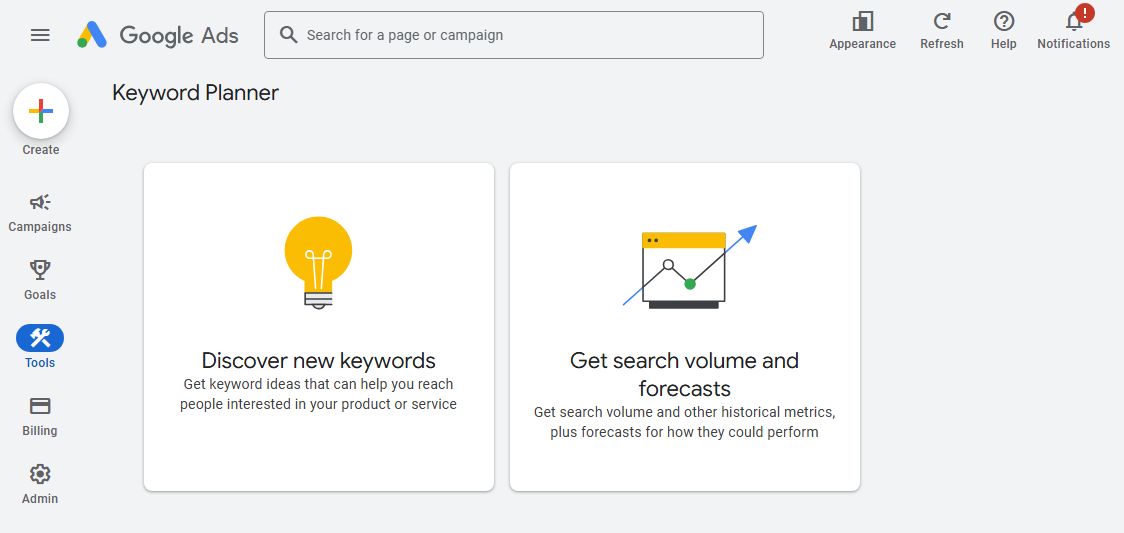
Tip #2: Define a Clear Primary Keyword + Supporting Clusters
Keywords still matter—but they’ve evolved. A single keyword is no longer enough. You need topic clusters that provide a semantic context for both search engines and AI tools.
Tools:
- Semrush for keyword difficulty and clustering
- Google Keyword Planner for search volume
- Surfer SEO to identify NLP keywords and content gaps
Example:
Primary Keyword: “Content strategy for ecommerce brands”
Supporting Clusters:
- “Shopify SEO best practices”
- “Optimizing e-commerce product pages”
- “Keyword research for fashion D2C brands”
Why it works: SEO algorithms reward topic relevance, and AI tools better understand your authority when you cover a subject deeply and from multiple angles.
Tip #3: Write With E-E-A-T: Demonstrate Trust and Expertise
Google and generative tools (GEO platforms) use E-E-A-T to evaluate content:
- Experience: Show what you’ve done.
- Expertise: Highlight qualifications.
- Authoritativeness: Let others vouch for you.
- Trustworthiness: Be transparent with sourcing and affiliations.
Ways to Implement:
- Add an author bio with relevant experience and credentials.
- Link to media mentions, client logos, or guest posts.
- Use .gov/.edu or research-based sources.
- Add “How this article was created” disclosures.
Example:
Author Bio:
- “10+ years in SEO & content strategy for D2C brands”
- “Featured in Moz, SEMrush webinars, and Shopify Partners blog”
- “Certified in Google Analytics & HubSpot Inbound”
Tip #4: Optimize for Google and Generative AI
Your content needs to look great to both traditional search engines and AI content crawlers. That means blending good quality content with a clean structure.
Best Practices:
- Use headers (H2, H3) to guide AI summaries
- Break up text into short paragraphs (<100 words)
- Use bullet points, numbered steps, or comparison tables
- Apply schema: FAQPage, Article, Author, HowToEnsure fast load time and mobile responsiveness
Example:
Table Comparison:
| Tool Name | Best For | Monthly Cost | Integrations |
|---|---|---|---|
| Ahrefs | SEO Audit | $99 | Slack, Google Data Studio |
| Surfer SEO | Content Creation | $49 | WordPress, Jasper |
Why this matters: AI tools prefer structured and scannable content. If your blog is clean, fast, and well-organized, it’s more likely to be included in AI answers or voice search snippets.
Tip #5: Create Original, Citation-Worthy Content
Generative AI models like ChatGPT and Perplexity are trained to prioritize content that is not only well-written but also unique. Original ideas, frameworks, or proprietary research drastically improve the likelihood of being cited in AI-generated responses.
What to Include:
- First-party data (e.g., results from your SEO campaigns)
- Custom frameworks (like Ideamagix’s “GEO-SEO Alignment Grid”)
- Unique insights or methodologies
- Case studies with verifiable outcomes
Example:
“We developed the GEO-SEO Alignment Grid to map traditional keyword strategies to conversational AI triggers, helping high quality content writing plan both for SERPs and SGE snippets.”
Originality is a ranking factor in both SEO and GEO—don’t just summarize others; offer something new.
Tip #6: Build Topical Authority Using Pillar + Cluster Content
AI and search engines alike evaluate your authority on a subject based on how deeply and cohesively you cover a topic. Enter the pillar-cluster model.
How It Works:
- Pillar Content: A comprehensive guide that addresses a broad topic.
- Cluster Content: Several related blog posts linked to the pillar, each exploring subtopics in depth.
Example:
- Pillar: “Complete Guide to AI in Digital Marketing”
- Clusters: “AI SEO Tools for 2025”, “GEO vs SEO”, “AI Content Writing Techniques”
Tools:
- MarketMuse: Analyze content gaps and coverage depth.
- Surfer SEO: Optimize clusters using NLP keyword suggestions.
This structure boosts topical relevance and internal linking, both critical for GEO and SEO success.
Tip #7: Match Search + Conversational Intent
Today’s users don’t search with just keywords—they ask full questions. GEO and SEO both demand content that aligns with how people think and ask.
Where to Use:
- H2/H3 headings
- FAQ sections
- Title tags and meta descriptions
Example Questions:
- “What are the best CRMs for solopreneurs in 2025?”
- “How does local SEO help restaurants?”
Tools:
- AnswerThePublic: Discover real user queries.
- Also asked: Find nested search intent.
Writing in question-answer format increases your chances of ranking in featured snippets and getting cited in generative answers.

Tip #8: Format for Voice Search and Mobile
Over 60% of users access content on mobile, and many use voice search. GEO favors answers that are concise, spoken naturally, and well-formatted.
Best Practices:
- Use short sentences and small paragraphs (2–4 lines)
- Use a conversational, first-person tone
- Avoid jargon or long intros
- Break up text with headers and lists
Example:
- ✅ “The best tools for beginners are affordable, simple, and fast to learn.”
- ❌ “As per current digital transformation trends, the following tools may be considered viable…”
Design best quality content for people on the go and voice-first interactions.
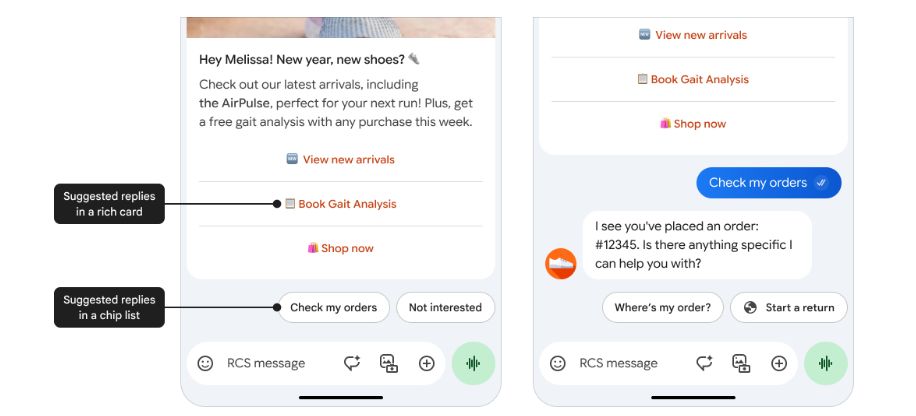
Tip #9: Include Rich Media + Alt Tags
AI tools read images through alt text. Optimizing your media improves accessibility and gives additional context for AI to cite your content.
What to Add:
- Infographics, charts, and screenshots
- Video summaries or embedded audio clips
- Descriptive alt text with factual detail
Example:
Alt Text: “Screenshot of Surfer SEO dashboard showing keyword density suggestions for content optimization.”
Rich media not only enhances user engagement but also provides metadata for AI parsing.
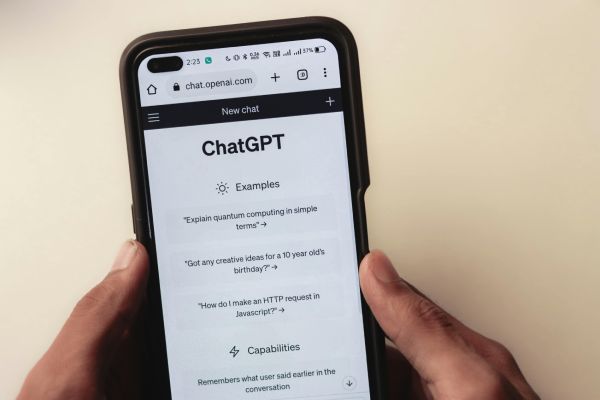
Tip #10: Create High Quality Content That Ages Well (but Updates Fast)
Evergreen content still wins—but it must stay updated. GEO models check the freshness of your content to determine relevance.
Best Practices:
- Add “Last Updated” timestamps visibly on pages
- Review high-traffic pages every 3–6 months
- Refresh with new stats, links, and updated schema
Tools:
- Ahrefs Content Decay Tracker
- Screaming Frog SEO Spider
Example:
Set a quarterly calendar reminder: “Update blog: ‘SEO in 2025’ with latest algorithm news and AI ranking changes.”

Tip #11: Use Internal + External Links for Authority Signals
Links help search engines and AI understand how good quality content connects across the web—and how much authority it holds.
Internal Linking:
- Link to related blog posts, case studies, or pillar pages
- Use keyword-rich anchor text
External Linking:
- Prioritize .gov, .edu, and reputable sites (Moz, HubSpot, SEMrush)
- Attribute all data sources
Example:
“According to a 2024 report by HubSpot, 73% of marketers are investing in AI-generated content.”
This builds topical relevance, credibility, and context, key GEO and SEO ranking signals.
Tip #12: Measure Both SEO and GEO Success
You can’t improve what you don’t measure. Go beyond SERP rankings and track how your create quality content performs in AI contexts.
SEO Metrics:
- Click-through rate (CTR)
- Bounce rate
- Dwell time
- Keyword rankings
GEO Metrics:
- Appearance in ChatGPT or Perplexity responses
- Citation in Bing Copilot summaries
- AI referral traffic in analytics tools
Tools:
- Perplexity.ai (search logs)
- ChatGPT / Bing AI (prompt testing)
- Google Analytics + Search Console
Track both to ensure your content performs across search and generative platforms.

Tip #13: Align Title, Meta, and Slug with Intent
These elements act as a content preview for both humans and machines, and they heavily influence whether your content is clicked, ranked, or cited.
Best Practices:
- Keep your slug short, relevant, and include your primary keyword.
- Ensure your meta title is under 60 characters and directly reflects the content topic.
- Write meta descriptions with benefits—not just features—and avoid generic CTAs.
Don’t:
- Use vague slugs like “/page123/” or “/content5/”
- Overpromise with clickbait that doesn’t match on-page content
Good Example:
- Slug: /seo-geo-content-tips
- Title: How to Create High Quality Content for SEO & GEO
- Meta: Learn how to create high quality content that ranks in SERPs and appears in AI answers.
This consistency between your title, slug, and description increases click-through rate, improves AI model parsing, and builds trust with both users and search engines.
Tip #14: Add Transparency on Who, How, Why
Modern readers—and AI models—want to know more than just what’s being said. They want to know who wrote it, how it was made, and why it’s credible. This level of transparency builds trust and meets Google’s Helpful best quality content Guidelines.
Checklist for Transparency:
- Who wrote this? Include an author bio with a headshot, credentials, and relevant experience.
- How was it made? Briefly describe your research process or methodology.
- Why should I trust it? Cite authoritative sources, show certifications, and add a content creation date.
Example:
- Add a dedicated “About the Author” section.
- Link to a content policy or editorial guideline page.
- Include a line in the intro like: “This post is written by [Name], SEO Strategist at Ideamagix with 10+ years of industry experience.”
Tip #15: Avoid SEO & GEO Traps (Checklist)
In the race to optimize for both Google and AI, many fall into traps that hurt visibility and credibility.
❌ SEO & GEO Mistakes to Avoid:
- Keyword stuffing or over-optimization
- Publishing low-value, AI-generated fluff
- Using misleading headlines or clickbait
- Ignoring content freshness and accuracy
- Linking only internally or not citing any sources
✅ What to Do Instead:
- Write for humans first, then optimize for systems
- Use clear, concise, helpful language
- Support claims with stats or case studies
- Always include schema and metadata
Tip #16: Promote and Repurpose Content Across Channels
Creating high quality content is only the first step. Make it work harder by distributing and repurposing it.
Repurpose This Blog Into:
- Twitter/X threads: Share key stats or quotes
- LinkedIn carousels: Visualize the 16 tips
- Instagram posts or stories: Turn insights into infographics
- YouTube Shorts/Reels: Condense insights into 30-second videos
- Email series: Share one tip per week to build engagement
Pro Tip: Repurpose your “GEO Optimization Tips” into a downloadable checklist and offer it as a lead magnet.
Bonus Tip: Tools to Create SEO & GEO Optimized Content
| Tool | Use Case |
| Surfer SEO | Structure content based on ranking pages |
| MarketMuse | Analyze topical depth and authority |
| Perplexity / Bing | Test if your content is cited in AI tools |
| RankMath | Add schema, manage indexing, and meta tags |
| AnswerThePublic | Find natural questions users are asking |
These tools are essential for staying ahead in an AI-powered content landscape.
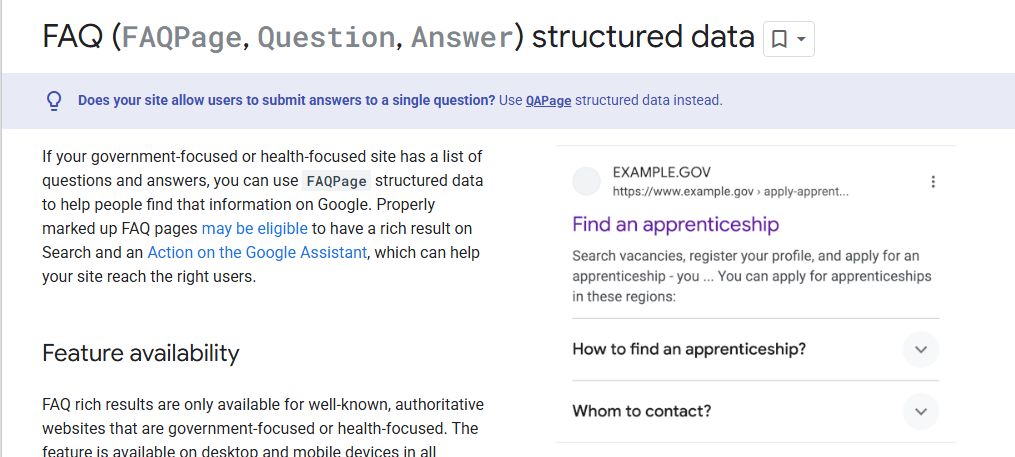
FAQs (For SEO & GEO)
Q1. What is the difference between SEO and GEO content?
SEO content is optimized to rank in search engine result pages (SERPs). GEO content is structured and credible enough to be cited in AI-generated answers.
Q2. How do I know if my content is high-quality?
High-quality content demonstrates E-E-A-T: Experience, Expertise, Authoritativeness, and Trustworthiness. It should be helpful, well-researched, and factually accurate.
Q3. How can I structure content for AI tools?
Use structured formatting: headings (H2/H3), bullet points, FAQs, schema (Article, FAQPage), and short, direct answers.
Q4. What tools can I use to test my GEO visibility?
Use tools like ChatGPT, Bing Copilot, and Perplexity.ai. Enter natural-language queries and see if your content gets cited. Supplement this with Surfer SEO and MarketMuse.
Q5. Can small brands succeed in GEO?
Absolutely. GEO rewards clarity, structure, trust, and freshness over domain size. A well-optimized blog from a small business can outperform a poorly structured article on a major site.
Conclusion: Content That Wins in SEO and GEO Isn’t Created by Accident
Creating high quality content that performs in both traditional search and generative search environments requires intention, structure, and credibility.
By following the 16 actionable tips shared above—rooted in E-E-A-T, optimized for both SEO and GEO, and powered by a blend of human experience and smart tools—you’ll:
✅ Rank higher in Google SERPs ✅ Earn visibility in AI tools like ChatGPT, Bing Copilot, and Gemini ✅ Establish long-term content authority and brand trust
At Ideamagix, we build future-ready content strategies that bridge today’s SEO with tomorrow’s AI search. Whether you’re optimizing your service pages or planning a content calendar that earns both clicks and citations, we’re here to help.
More to Explore:
- SEO Title Optimization Best Practices for 2025
- The Future of SEO is GEO: Top 10 Optimization Tips
- Professional SEO Services in Mumbai That Scale Your Brand
Need help creating high-performance, AI-optimized content? Let’s build something that gets you ranked, cited, and trusted.
Schedule your free consultation today → www.ideamagix.com